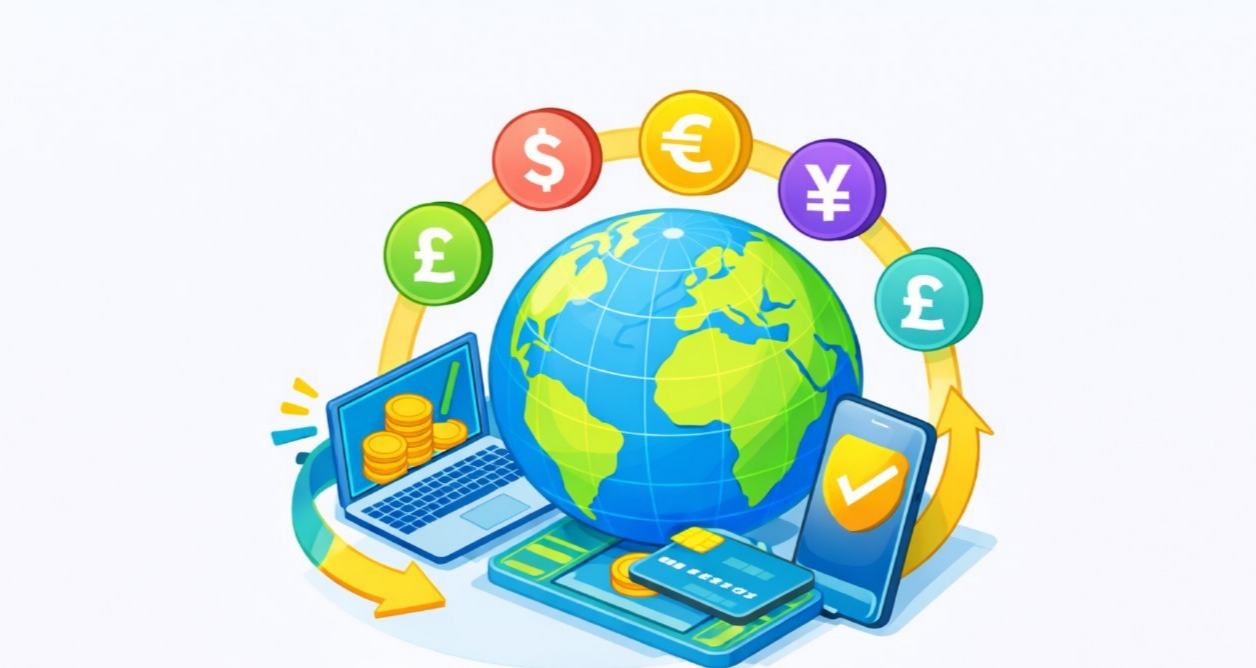
The Global Multi Currency Banking
Multi currency banking has transitioned from a niche corporate tool to a mainstream financial solution used by individuals, small businesses, fintech customers, and global enterprises.
Institutional FX signals, product launches, and compliance guidance curated by Payin Global researchers.

Multi currency banking has transitioned from a niche corporate tool to a mainstream financial solution used by individuals, small businesses, fintech customers, and global enterprises.

Multi-currency personal finance refers to managing income, savings, and expenses across more than one currency. It has become common for freelancers, remote workers, expatriates, travelers, and globally connected households.

Nationwide’s international transfer service allows customers to send money abroad using either SEPA (for euro payments within Europe) or SWIFT (for other international payments).

Buying Russian rubles is significantly restricted in most Western countries due to international sanctions, financial isolation measures, and currency controls introduced after geopolitical escalation involving Russia.

NatWest’s international transfer service lets customers send money overseas securely. Standard digital transfers often have no NatWest fee, but urgent or in-branch transfers carry costs, and exchange rate markups can be substantial.

Offshore Banking Explained What It Is, How It Works, and Why It Matters in Global Finance

Receiving money from abroad means accepting funds sent from another country into your account or preferred payout method.

When you send money internationally using a traditional bank transfer, additional fees can be applied by banks other than your own.

SEPA stands for Single Euro Payments Area and is a Europe-wide framework that makes euro bank transfers between participating countries as fast, secure, and cost-efficient as domestic payments.